 The Spectator The independent student newspaper of Valdosta State University


Mallory Taylor
Staff Writer
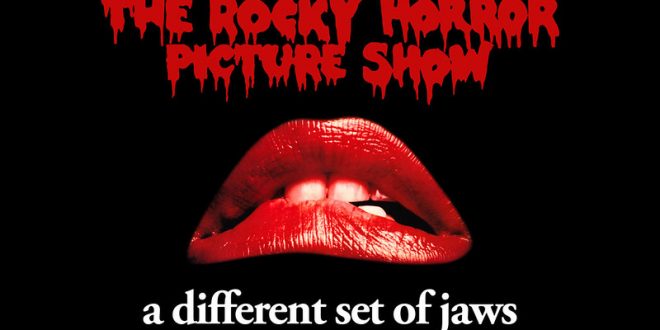
VSU’s Alpha Psi Omega had their second annual showing of Rocky Horror Picture Show on Oct. 24. Directed by Carter Exum and choreographed by Shelby Howell, the production brought the film’s iconic shadow-cast tradition to Valdosta, giving students a chance to experience the preposterous theatrical phenomenon firsthand.
Unlike a traditional movie screening, the production invited audience members to become part of the performance. From the moment guests entered, they were greeted by characters Magenta and Riff Raff, who marked the hands of first-time viewers with a “V” for “virgin.”
Audience members also received scripts that they could follow throughout the performance, allowing them to participate by shouting absurd designated lines and responding to the action onstage.
The interactive experience is a defining part of The Rocky Horror Picture Show, whose midnight screenings have developed a devoted following over the past five decades.
The Rocky Horror Picture Show follows Brad and Janet, a seemingly cookie-cutter couple whose ordinary lives take an unexpected turn when their car breaks down during a storm. Seeking help, they stumble upon the eerie mansion of Dr. Frank-N-Furter, where they encounter an eccentric cast of characters and an unorthodox world. Through its electrifying musical numbers, theatrical performances, and unconventional characters, the production challenges traditional social expectations by celebrating self-expression, sexuality and individuality.
Rocky Horror made its debut in 1973, at the Theatre Upstairs (part of London’s Royal Court Theatre). In 1975, 20th Century Fox acquired the rights and launched the film to see how it would be perceived. It was a terrible failure. Audiences and critics disliked the rebelliousness and how it pushed societal norms.
However, the film was vindicated in 1976 when it began screening at midnight in Greenwich Village, New York. Audiences gradually developed traditions of dressing as characters, shouting responses at the screen, and bringing props. Eventually, performers began acting out the film in front of the screen, creating what is now known as the shadow cast.
Theatre Professor Hank Rion, the night’s guest speaker, shared how his first experience of attending a screening helped him understand why the production has remained so popular.
While earning his master’s degree in New York City, Rion said his fellow directors discovered he had never seen the film and insisted he attend a screening.
As someone who grew up in the South, he said he was unprepared for the atmosphere of a packed theater in Greenwich Village.
“I was shocked. I was overwhelmed. I had absolutely no idea what was happening,” Rion said.
However, it was not necessarily the show that stayed with him. Instead, he remembered the experience of being surrounded by people who were enjoying themselves and embracing the unusual atmosphere.
“I think that’s the magic of Rocky Horror,” Rion said.
That same sense of community was evident throughout Alpha Psi Omega’s production, where audience participation was just as important as the performances happening onstage.
A standout performance was the character who is the face of Rocky Horror: Frank N Furter. Portrayed by Sydne Hirshman, Frank brought an energetic and captivating presence to the character, drawing the audience’s attention and embracing the larger-than-life personality famously portrayed by Tim Curry in the film.
Beyond the entertainment, the production also fulfilled a charitable purpose. Alpha Psi Omega collected donations for Broadway Cares/Equity Fights AIDS, allowing audience members to contribute whatever they could, from dimes and quarters to larger donations.
Last year’s production raised $333 for the organization. This year, the group hoped to match that amount through its “pay-what-you-can” donation approach.
For Hank Rion, however, the production’s significance extends beyond its entertainment value and fundraising efforts.
“Underneath the corset, the makeup, the music, the chaos, and the insanity, it always had something to say, which I think is the most important part, right? For generations, it’s given people and us permission to be different, no matter the cost. To be outrageous, to express themselves, and to find a community that accepts them. And isn’t that what good theater is supposed to do?” said Rion
Through its second annual showing, Alpha Psi Omega continued a theatrical tradition that has connected audiences for 50 years, bringing its message of individuality, self-expression and community to Valdosta.